-
Debbie Smyth
-
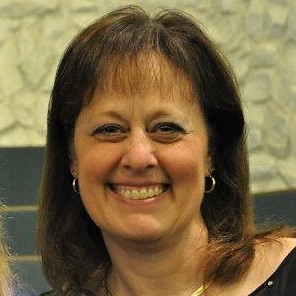
- Debbie Smyth
-
Oak Trails Genealogy Services LLC
- oaktrailsgenealogy@gmail.com
- FL
-
34683
- United States
- (727) 234-3739
- (GMT -5:00) Eastern Time (US & Canada), Bogota, Lima
-
 (If you click on the PDF icon and nothing happens, the member has not yet uploaded a file.)
- yes
-
Debbie Wilson Smyth has been researching her family since 1993 and holds a Certificate in Genealogical Research from Boston University. As the owner of Oak Trails Genealogy Services, LLC, she provides professional genealogical services in research, education, and consultation. Her research focuses on midwestern and southern states, methodology, lineage society applications, and DNA. Debbie is a member of the Association of Professional Genealogists and the Genealogical Speakers Guild, as well as a number of national, state, and local societies.
-
Indirectly Evident: Finding William’s Parents
When no known records exist to identify the parents of an individual, a researcher may utilize indirect evidence to build a proof argument. This presentation offers a case study into the use of indirect evidence to identify the parents of William Graham of Meigs County, Ohio.
Timelines: A Genealogical Tool for Organization and Analysis
Timelines help organize the information that we collect on our ancestors and are beneficial in the analysis process. This presentation describes the use and elements of timelines for genealogical research, including examples created in various formats.
Evidence Analysis: The Source, the Information, the Evidence
Effective evidence analysis requires analyzing not only the source, but also the information it contains and the evidence it provides. This presentation offers an in-depth look into the evidence analysis process.
Making Sense of the Census
The U.S. census schedules are valuable records for the genealogist. This presentation focuses on the content and information provided by the various census years and the instructions to the enumerators. It also covers tips for analysis of the information across the census years, including the tick marks of the pre-1850 census schedules.
Probate Records: Looking Beyond the Will
A Last Will and Testament offers a rich resource of information for genealogical purposes. But the will is only the beginning of the records that may be available and of value to the genealogist. Even if the decedent left no will, there may be other estate records to assist in your research. This presentation provides an overview of the probate process and the records that may be created after a person’s death.
Digging in Dirt: Researching Land Records
Researching land records is an important aspect in genealogical research. While land records can provide valuable clues to relationships, residence, and migrations, they can sometimes be difficult or confusing to research. This presentation will give an overview of the various types of land records and where they might be located. Examples of the different types of indices used by county clerks will also be explored.
Befuddled by the Records
If something in a record seems “off” or is confusing or conflicts with known information, do you still accept it at face value? Or, do you conduct additional research to confirm or verify the information it contains? Sometimes, the records will lead you astray with incomplete or erroneous information. This presentation will present several case studies to demonstrate those times you may be befuddled by the records.
Is That Really Your Guy? Proving Your Conclusions
Building a family tree is fun. You go online, search for, and discover records that seem to be for your ancestors. But, accidentally adding the wrong branches to your tree can be frustrating and time-consuming to fix. Learn how to avoid (or at least minimize) errors by channeling your own inner detective. This presentation discusses how to sort and evaluate evidence to make sure that really is your guy (or gal), and to help you logically prove your conclusions.
Lineage Societies: Tips for Successful Applications
There are hundreds of different types of lineage societies, each with specific rules and requirements for the application process. This presentation provides an overview of the various societies and offers general tips for completing successful applications.
DNA Doesn’t Lie, But Needs Help to Find the Truth!
DNA testing is a valuable tool for use in genealogical research. DNA provides confirmation of a genetic relationship; however, it requires the help of documentary research to confirm the genealogical relationship. This presentation reviews the differences between a genetic relationship and a genealogical relationship and how pairing the two will strengthen your genealogical conclusions.
The Bucket List: Sorting DNA Matches
Shared matching is a great tool to help sort your DNA matches. This presentation describes the “bucket” approach for sorting DNA matches and how it can help with the management and organization of those matches.
Disconnected Connections: A Case Study of Family Lore and an MPE
In genealogical circles, the acronym MPE stands for a misattributed parentage event. A misattributed parentage event encompasses those situations where parentage has been attributed to the wrong person. For example, learning that daddy wasn't really the biological father. Finding an MPE can be an unexpected or upsetting matter. Truth is, those times when family lore, DNA and documents diverge happens more frequently than we think. This presentation will begin with a discussion on DNA testing, identifying a misattributed parentage event, exploring some research strategies, and considering the ethics involved. It concludes with a case study to explore my own personal MPE finding, my research process, and the ethics involved.
Exploring Ancestry® Tools for DNA Analysis
This presentation explores the various tools provided by Ancestry® to assist in analyzing and evaluating DNA matches. It will cover the more common tools, as well as a few that are lesser known and under-utilized. Strategies that combine these tools to achieve research goals will also be examined.
Your Source for Professional Genealogical Speakers